The Integrated Outdoor Living Environment in Weston
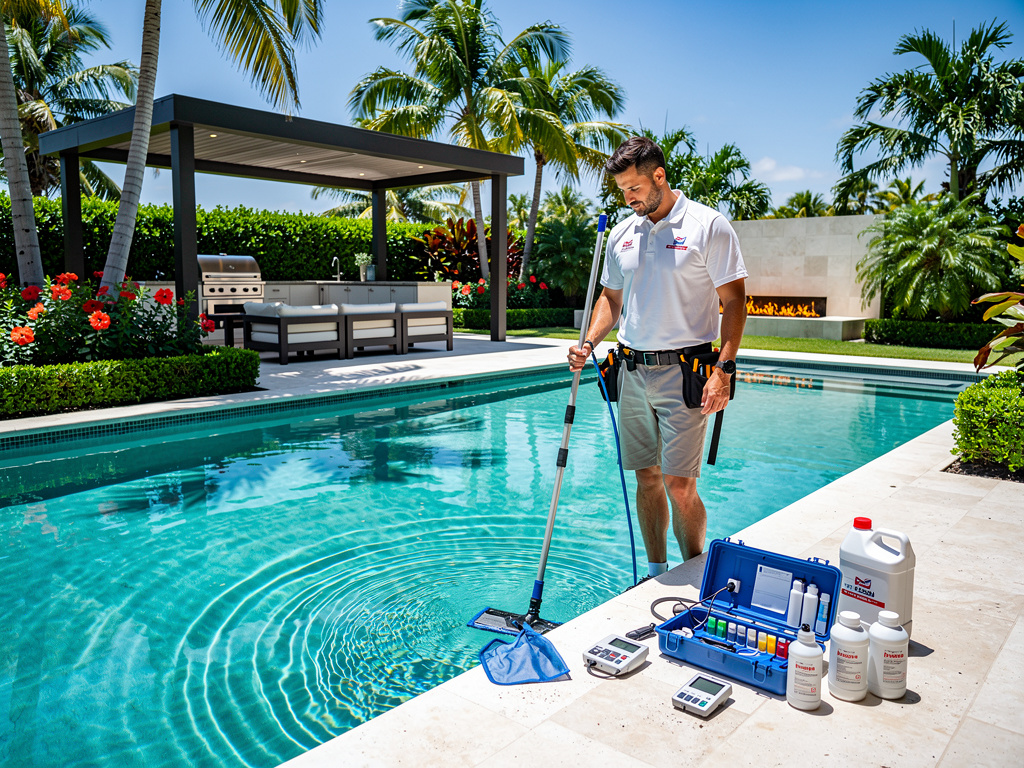
Weston FL’s luxury home design has evolved over the past two decades from the “house with a pool” model to something closer to a resort-property outdoor living environment. The outdoor living space at a high-end Weston home in The Ridges, Bonaventure, or Sector 7 is a fully appointed outdoor room: a covered summer kitchen with professional-grade cooking equipment (gas grills, burners, pizza ovens in some cases), a full outdoor dining area, a conversation seating area with fire feature centerpiece, the pool and spa as the aquatic anchor of the space, landscape lighting throughout, and sometimes a dedicated outdoor audio/video system that extends the home’s entertainment capabilities into the outdoor environment.
This level of outdoor living integration is a defining characteristic of Weston’s luxury properties and a major reason why the city attracts the professional and executive family demographic it does — the outdoor space functions as an additional room of the home rather than simply as access to a pool. But it creates pool chemistry management considerations that a simpler pool environment doesn’t encounter, because the pool sits at the center of a system that generates multiple chemistry inputs from multiple directions.
Summer Kitchen Impacts on Pool Chemistry
A summer kitchen positioned adjacent to or within 15–20 feet of the pool — the typical configuration in Weston’s outdoor living designs — generates cooking effluents that reach pool water through airborne transport. Grease particles from outdoor grilling are lipophilic — they bind to the oil layer that naturally forms at the pool water’s surface and in the skimmer basket area. High-output cooking events (large dinner parties, barbecues, Super Bowl weekend cookouts) can introduce significant grease loads to a Weston pool that’s positioned downwind of the summer kitchen activity.
Cooking smoke also deposits combustion products on pool surfaces — the same mechanism that creates fireplace soot on nearby surfaces. These combustion deposits are organic and are addressed by the pool’s chlorine system, but in volume they can increase chlorine demand and discolor the waterline tile in the area nearest the summer kitchen exhaust direction. Monthly enzyme treatment handles grease and organic combustion deposit accumulation effectively; positioning the grill exhaust direction away from the pool during design and renovation is the more fundamental solution where the outdoor living layout allows for it.
Fire Feature Particulates and Pool Chemistry
Fire bowls, fire-and-water features, and gas fire pit tables are popular design elements in Weston’s luxury outdoor environments — and they’re positioned at the pool’s edge as deliberate visual and experiential elements. Gas-fueled fire features produce clean combustion with minimal particulate output; they’re not a significant pool chemistry concern in their own right. Wood-burning fire features (less common but present in some Weston properties with outdoor pizza ovens or wood-burning fire pits) produce ash and combustion particulates that reach pool water in quantities that can be meaningful during periods of regular use.
Fine ash particles that enter the pool create elevated turbidity and increase the demand on the filtration system. They also contribute to pH depression — wood ash is alkaline, but the fine particulate form that reaches the pool mixes unevenly and can create localized chemistry variations before full mixing occurs. Regular filter maintenance and skimmer clearing following evening fire feature use prevents ash particulate accumulation from building into a visible filtration issue.
Entertainment-Driven Bather Load in the Weston Context
Weston’s professional and executive families entertain at levels and frequencies that create bather loads well above the typical residential pool average. A Weston household that hosts a dinner party for 20 adults two or three times per month, combined with children’s pool parties, holiday gatherings, and regular family use, creates a total monthly bather load that would be unusual for most residential pools. Each bather introduction brings sweat (nitrogen load), sunscreen (oil load), and body oil — and the cumulative effect of high-frequency entertaining use is elevated combined chlorine, increased enzyme and clarifier demand, and the need for weekly shock treatment rather than the monthly or as-needed shock appropriate for a light-use pool.
The Weston entertaining pool should be planned for based on the actual use pattern — which in most Weston luxury households is significantly higher than “residential average.” Communicating actual entertaining frequency and typical guest counts to the pool service company allows appropriate service calibration: shock timing aligned with post-entertainment recovery, enzyme dosing matched to the outdoor kitchen and entertainment frequency, and chemistry testing scheduled to capture chemistry immediately post-event rather than days later when the pool has had time to recover on its own.
Landscaping Integration and Adjacent Planting Chemistry Effects
Weston’s luxury outdoor living environments feature elaborate landscaping that integrates with the pool area — tropical plantings at the pool edge, manicured hedging as privacy screens, ornamental grasses in planting beds adjacent to the deck. This close landscaping integration brings irrigation systems, fertilized planting beds, and organic debris sources within the pool’s immediate environment. Drip irrigation heads and spray heads positioned to water adjacent planting beds frequently deposit phosphate-containing water into the pool area; fertilized planting beds near the pool edge release phosphate through soil moisture movement toward the pool; and leaf and organic debris from adjacent tropical plants enters the pool continuously.
The management response is the same as for any high-organic, high-phosphate pool environment: monthly phosphate testing and remover treatment, weekly enzyme to handle organic input, and service scheduling that provides debris clearing on a frequency matched to the actual input rate from adjacent landscaping. A Weston luxury outdoor living pool with heavy adjacent planting may need twice-weekly service visits to maintain the visual standard that the outdoor environment demands — a pool surrounded by beautifully maintained tropical landscaping must match that aesthetic standard, which means debris in the water or on the surface is unacceptable regardless of the organic input rate from the adjacent plants.
Pool Service Fort Lauderdale provides integrated outdoor living pool service throughout Weston FL. Call (954) 501-2754, visit our Weston pool service page, or see our full website. 9900 W Sample Rd, Coral Springs, FL 33065.
{“@context”:”https://schema.org”,”@type”:”FAQPage”,”mainEntity”:[{“@type”:”Question”,”name”:”Does cooking at my Weston FL outdoor summer kitchen affect pool chemistry?”,”acceptedAnswer”:{“@type”:”Answer”,”text”:”Yes. Grease particles from outdoor grilling are lipophilic and bind to the oil layer at the pool surface and in the skimmer area. High-output cooking events introduce meaningful grease loads to a pool positioned within 20 feet of the summer kitchen. Monthly enzyme treatment breaks down grease and organic combustion deposits. Positioning the grill exhaust direction away from the pool during design is the more fundamental preventive approach.”}},{“@type”:”Question”,”name”:”How does frequent entertaining affect my Weston FL pool chemistry?”,”acceptedAnswer”:{“@type”:”Answer”,”text”:”High-frequency entertaining creates bather loads well above residential average — sweat (nitrogen), sunscreen (oil), and body oil from 20+ guests multiple times per month requires weekly shock treatment (not monthly), enzyme dosing matched to entertaining frequency, and chemistry testing scheduled to capture post-event chemistry before the pool has recovered on its own.”}},{“@type”:”Question”,”name”:”Do fire features near my Weston FL pool affect pool chemistry?”,”acceptedAnswer”:{“@type”:”Answer”,”text”:”Gas-fueled fire features produce clean combustion with minimal particulate impact. Wood-burning features (fire pits, pizza ovens) produce ash that enters pool water, elevating turbidity and increasing filter demand. Regular filter maintenance and skimmer clearing following wood fire feature use prevents ash accumulation from building into a filtration problem.”}},{“@type”:”Question”,”name”:”How does close tropical landscaping affect pool chemistry in a Weston FL outdoor living environment?”,”acceptedAnswer”:{“@type”:”Answer”,”text”:”Irrigation systems, fertilized planting beds, and organic debris from adjacent tropical plants all contribute to pool phosphate and organic load. Monthly phosphate testing and remover treatment, weekly enzyme for organic input, and debris clearing on a frequency matched to the actual input rate from adjacent landscaping manage this effectively. Pools with heavy adjacent planting may need twice-weekly service visits to maintain Weston’s visual standard.”}},{“@type”:”Question”,”name”:”What service frequency does a Weston FL entertainment pool require?”,”acceptedAnswer”:{“@type”:”Answer”,”text”:”Weekly minimum; twice weekly for pools adjacent to heavy landscaping or with multiple chemistry input sources (summer kitchen, fire feature, high entertaining frequency). The entertaining pool must be visually perfect at all times — debris, tint, or any visible imperfection is unacceptable in a luxury outdoor living environment where guests arrive with no notice that service is needed.”}]}}